
If you are approaching 65 or already enrolled in Medicare, you’ve probably heard a lot about the Shingles vaccine.
As a doctor, I often see patients in my clinic worrying about the cost of this particular shot. They ask, “Is it really covered?” or “Will I have to pay hundreds of dollars out of pocket?”
The short answer is yes, Medicare does cover the Shingles vaccine (Shingrix).
However, the how and where can be a bit confusing if you don’t know which part of Medicare to look at.
In fact, understanding these coverage details is just as crucial as avoiding the 3 Common Medicare Enrollment Mistakes that many seniors face when first signing up.
In this guide, I’ll break it down in simple words so you can get protected without any financial surprises.
What Exactly is Shingles?
If you’ve ever had chickenpox as a kid, the virus never really left your body. It just went to ‘sleep’ in your nerve tissues.
Shingles is essentially that same virus waking up years later, usually when your immune system is a bit stressed or weakened.
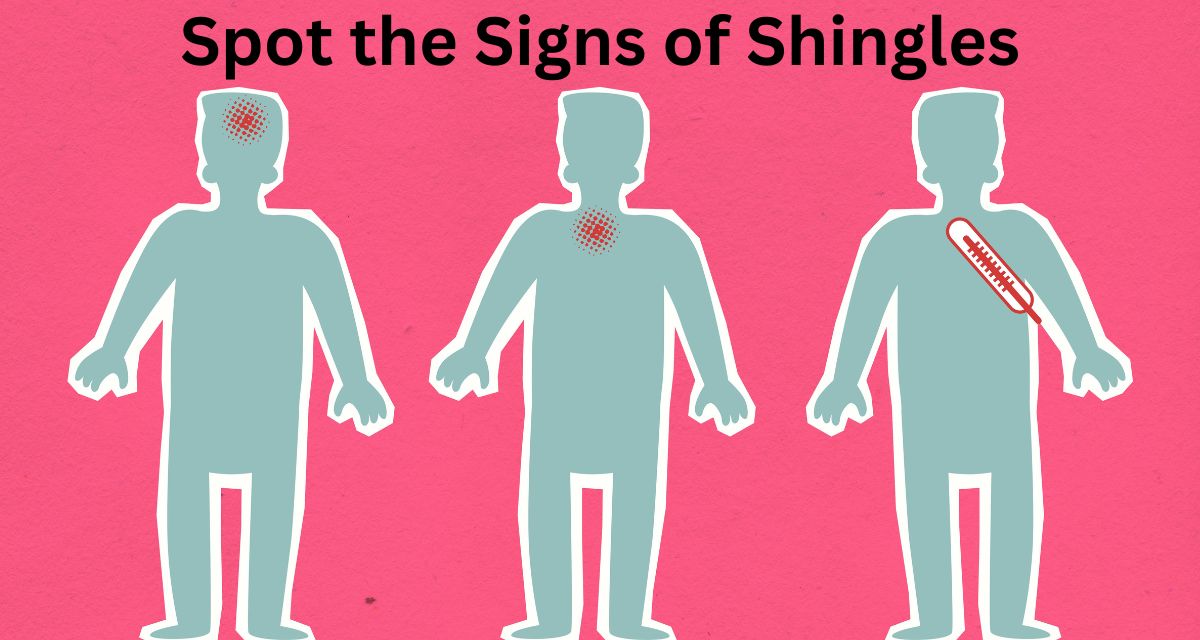
It doesn’t just show up as a random itch, though. It usually starts with a strange tingling or burning sensation on one side of your face or body, followed by a painful red rash that turns into fluid-filled blisters.
I always tell my patients that keeping your overall health in check, including following 3 Simple Ways to Keep Your Brain Sharp After 65 —is the best way to keep your immune system strong enough to keep these ‘sleeping’ viruses at bay.
One thing my patients always ask is, ‘Can I pass this on?’ Well, here’s the deal: You can’t give someone Shingles, but if they haven’t had chickenpox or the vaccine, they could catch the virus from your blisters and end up with Chickenpox.
It’s only contagious until those blisters finally crust over, so it’s best to keep the area covered and avoid hugging the grandkids for a few days!
Why the Shingles Vaccine is a Big Deal for Seniors
Before we talk about money, let’s talk about health. Shingles is not just a simple rash. It is a painful condition caused by the varicella-zoster virus—the same virus that causes chickenpox.
As we age, our immune system gets a bit tired. If you had chickenpox as a child, the virus stays dormant in your body.
It can wake up years later as Shingles. The pain can last for months, even after the rash is gone. This is why the CDC recommends the Shingrix vaccine for healthy adults aged 50 and older.
This is a key part of staying healthy, much like staying on top of your 5 Essential Health Screenings for Seniors in 2026.
The Big Change: Medicare Part D to the Rescue

A few years ago, I used to feel terrible telling my patients they needed this shot because it was quite expensive.
But thanks to the Inflation Reduction Act, the landscape changed completely in 2023, and it remains a massive win for seniors in 2026.
If you have Medicare Part D, which is the prescription drug plan, you don’t have to worry about the cost anymore.
You don’t have to meet a yearly deductible first, and you won’t be asked for a co-pay at the pharmacy counter. For anyone with drug coverage, the Shingrix vaccine is now essentially free. You just show your card, get the shot, and go about your day.
Where Should You Get the Shot?
To keep things simple and avoid any surprise bills, I always recommend going straight to the pharmacy.
Most major pharmacies like CVS or Walgreens are directly linked to Medicare Part D. They can run your insurance right there and confirm the zero-dollar cost.
Sometimes, getting the shot at your doctor’s office can be a bit more complicated. Not all medical clinics are set up to bill Part D plans directly.
You might be asked to pay the full price upfront and then try to get a refund from Medicare later, which is a headache nobody needs. My best advice? Stick to the pharmacy for your vaccines.
Common Concerns and Side Effects
I like to be very upfront with my patients: the Shingrix vaccine is incredibly effective over 90% protection but it’s a strong one.
You might feel a bit under the weather for a day or two. Your arm will likely be sore, and you might feel a little tired or achy.
Don’t let that scare you! That is actually your immune system waking up and learning how to protect you.
I usually suggest my patients schedule their shot on a Friday so they can just relax over the weekend if they feel a bit sluggish.
Frequently Asked Questions
Is the Shingles vaccine mandatory for seniors?
No, it isn’t mandatory, but as a doctor, I highly recommend it. Shingles pain can last for months or even years, and it can even lead to vision loss if it affects the face. Getting the shot is a small price to pay for that peace of mind.
Can I get the Shingles shot and the Flu shot together?
Yes, you can. It is perfectly safe to get both at the same time. Just be prepared for both arms to feel a bit tender!
I already had Shingles once. Do I still need the vaccine?
Absolutely. Having Shingles once does not make you immune. It can come back a second or even third time. The vaccine is your best defense against a repeat performance.
How many doses do I need?
Shingrix is a two dose series. You’ll get your first shot, and then you need to come back for the second one about two to six months later. Make sure you get both, or you won’t have the full protection you need.
Final Thoughts from Dr. Neelam
You’ve worked hard your whole life, and you deserve to enjoy your retirement without the miserable pain that Shingles can bring. Now that Medicare has made the vaccine free for most of us, there is really no reason to wait. Give your local pharmacist a call and get it checked off your list.
Stay healthy and stay informed!

Dr. Neelam Tahir is a dedicated medical professional (MBBS) with a passion for helping seniors navigate the complex world of Medicare. With years of clinical experience, she specializes in simplifying healthcare benefits, from Part B givebacks to healthy food allowances. Her mission is to ensure that every senior has access to the expert guidance they need to live a healthy and financially secure life