
“Dr. Neelam, I forgot my son’s phone number yesterday… am I losing my mind?”
I hear this question in my clinic at least a dozen times a week. When we cross the threshold of 60 or 70, every small lapse, whether it’s misplacing car keys or blanking on an old friend’s name, feels like a looming shadow of dementia.
We immediately jump to the scariest conclusion: Alzheimer’s.
But as a doctor practicing in 2026, I want to reassure you that not every forgetful moment is a medical crisis.
Our brains are remarkably resilient. With the right care and a focus on brain health for seniors, especially with how medical science has advanced in 2026, your golden years can be sharp, vibrant, and clear.
Let’s break down what is normal, what isn’t, and how you can protect your most precious asset.
If you want to know about other important tests for your age, you can read my guide on 5 Essential Health Screenings for Seniors in 2026
The “Senior Moment” vs. Something More Serious
Look, we’ve all been there. You walk into a room and completely forget why you went in there in the first place.
Or you’re telling a story and that one specific word is just… gone. It’s frustrating, sure, but in most cases, it’s just a part of getting older.
I like to tell my patients to think of the brain like an old computer. It still has all the files and the software is perfectly fine, but the processor is just a little slower than it used to be. It takes a few extra seconds to load the “data,” but it gets there eventually.
So, if you lose your glasses? That’s probably just a “senior moment.” We all do it.
But if you find yourself holding those glasses and honestly can’t remember what they’re for or how they work—that’s when we need to have a real talk.
In my clinic, I always tell families to keep an eye out for what I call “Functional Changes.” It’s not just about forgetting a name here or there. It’s about the big stuff.
Is your husband getting lost on the same route to the grocery store he’s used for twenty years? Is your mom asking you the exact same question five times in ten minutes, completely forgetting you just answered it?
These aren’t just quirks of aging. These are the moments where we stop “watching and waiting” and we start getting proactive with medical screenings.
Three Habits That Actually Protect Brain Health for Seniors
I tell my patients all the time that brain health doesn’t usually start with a prescription bottle. It actually starts in your kitchen and within your social circle.
By 2026, we’ve seen so much new research proving that certain daily habits are way more effective than any expensive brain supplement you’ll find on a pharmacy shelf.
The power of learning something totally new
Doing the same crossword puzzle every morning is nice for routine, but it isn’t really enough to grow new pathways in your brain.
Your mind actually thrives on novelty. I remember a 75-year-old patient of mine who decided to pick up Italian last year.
The change in his mental clarity was honestly staggering because he was forcing his brain to work in a way it never had before.
The secret is to challenge yourself with something totally unfamiliar. Maybe it’s a musical instrument, a new digital skill, or even something like birdwatching.
If it feels a little difficult at first, don’t get discouraged. That “hard” feeling is actually a good sign because it means your brain is building new connections.
Why socializing is literal brain food
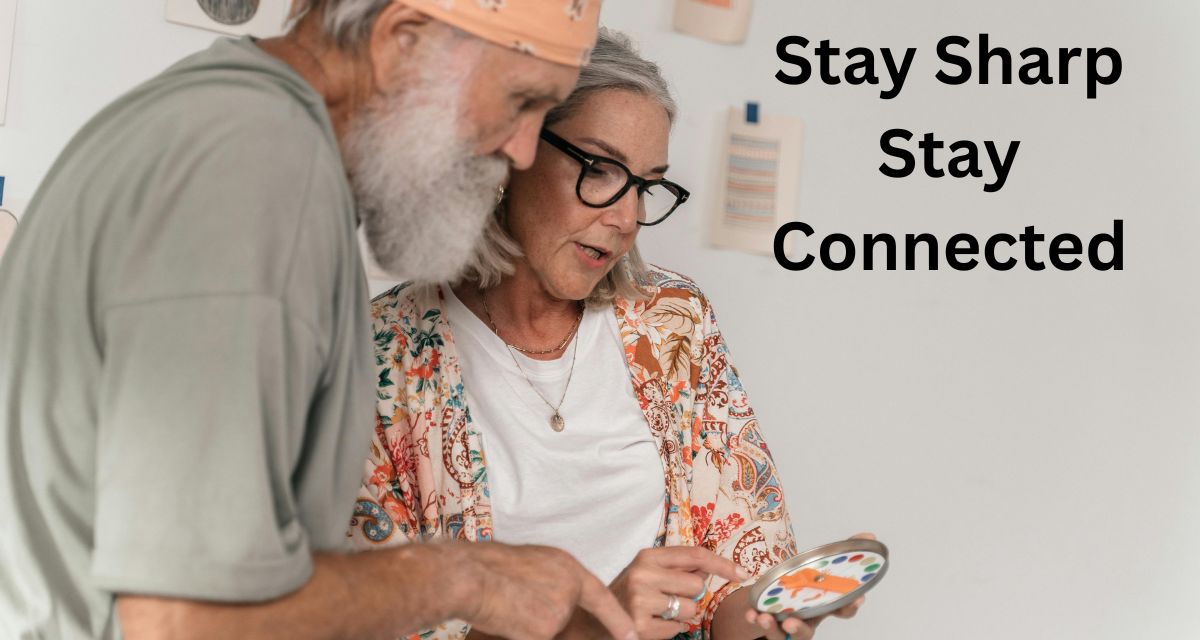
Loneliness is like a silent toxin for the aging brain. I see it all the time in my clinic where patients who stay socially active remain much sharper as the years go by.
When you’re sitting across from someone and having a real conversation, your brain is doing some incredible heavy lifting.
You’re interpreting their facial expressions, you’re anticipating what they might say next, and you’re digging through your own memories to keep the talk going.
It is truly the ultimate workout. In 2026, we’ve started treating social isolation as a major risk factor for memory loss, right up there with physical health issues.
My best advice is to get out there. Join a club, find a place to volunteer, or just make sure you’re grabbing coffee with a friend a couple of times a week. Your brain really does depend on that human connection to stay resilient.
Moving Your Body to Keep Your Mind Clear
People often think I’m just talking about “fitness” when I tell them to exercise, but as a doctor, I’m actually thinking about your brain.
I like to think of physical activity as a fresh oxygen bath for your mind.
When you get moving, you’re pumping oxygenated blood directly to the part of your brain responsible for forming new memories.
You don’t need to be a marathon runner to see the benefits. Just a brisk 20-minute walk every day is plenty to keep those neurons firing.
I’ve had many patients tell me they feel “sharper” just ten minutes after a walk, and that’s not a coincidence. It’s biology.
How Medicare Helps You Stay Sharp in 2026
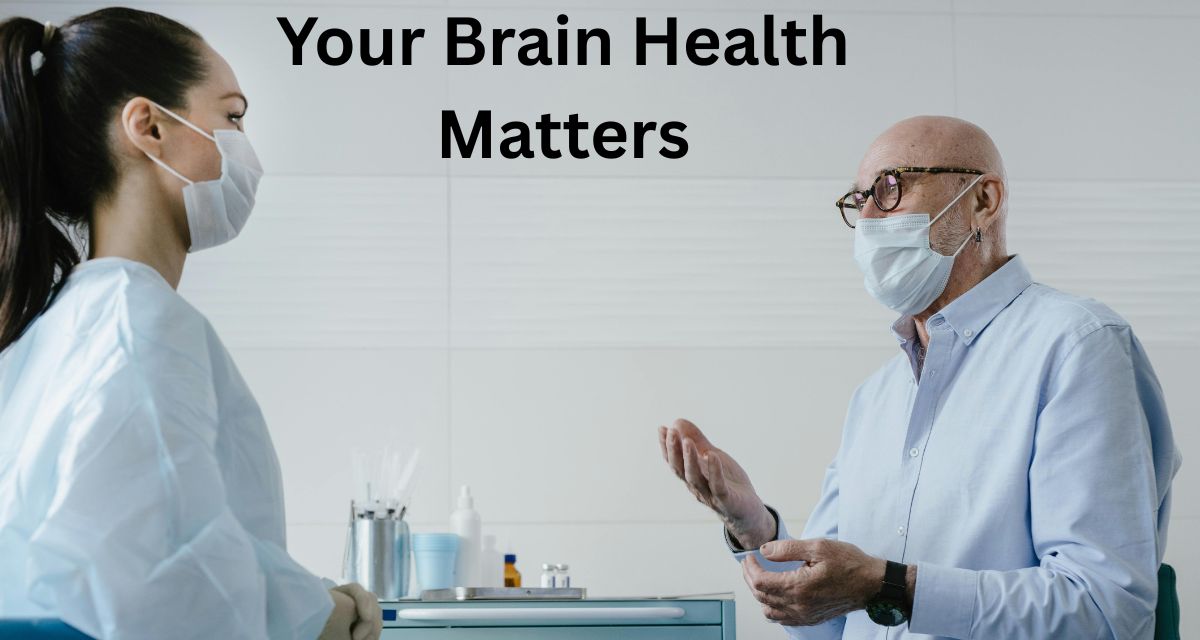
I see it all the time in my clinic. Seniors skip their checkups because, honestly, they’re scared of what I might find. They think a diagnosis is the end of the road.
But here is the truth. In 2026, Medicare has actually become a huge ally for your brain health. It isn’t just about physical exams anymore.
When you come in for your Annual Wellness Visit, which is that free yearly checkup we talked about before—we do what’s called a cognitive assessment. Please don’t let that term intimidate you.
It’s not some scary pass-or-fail exam. Think of it more like a baseline. It’s just a way for us to see how your brain is doing today so we can notice if anything changes down the road.
Catching those tiny, subtle changes early is everything.
The really good news this year is that Medicare has expanded what they cover. We now have access to much more advanced diagnostic tools that weren’t available before.
Plus, there are several new FDA-approved treatments that can actually slow down memory loss if we catch it in the early stages.
Knowing where you stand isn’t a death sentence. It’s actually the opposite. It is your best opportunity to take back control of your future.
A Personal Note from My Clinic
I want to leave you with a thought I share with my most anxious patients: Stress is the greatest thief of memory.
Sometimes, we forget things simply because we are too worried about forgetting them.
If you or a loved one feels like the lapses are moving beyond “senior moments,” don’t let fear keep you away from the clinic.
Modern medicine has so many ways to help us manage, adapt, and even thrive.
Your life’s memories and your wisdom are your legacy. Let’s work together to protect them with the same urgency we use to protect your heart.
Frequently Asked Questions (From My Patients)
Dr. Neelam, are brain supplements like Ginkgo or Jellyfish protein worth the money?
Honestly? Save your money. In 2026, we still haven’t seen a pill that beats a Mediterranean diet and a good night’s sleep. Focus on leafy greens, healthy fats like olive oil, and staying hydrated.
Does a family history of Alzheimer’s mean I will definitely get it?
Absolutely not. Genetics is only one piece of the puzzle. Lifestyle factors—like managing your blood pressure and staying socially active—can often “override” a genetic predisposition.
Can hearing loss cause memory issues?
Yes! This is a big one I see in my clinic. When you can’t hear, your brain has to work twice as hard to decode sound, leaving less “power” for memory. If you’re struggling with your hearing, getting hearing aids can actually improve your cognitive function.
Meet Dr. Neelam
I am a dedicated physician helping seniors live healthier, sharper lives in 2026. My goal is to make complex medical advice simple and accessible for my patients. When I’m not in the clinic, I’m here sharing tips to help you stay empowered and independent.
Disclaimer:
This article is for informational and educational purposes only and does not constitute medical advice, diagnosis, or treatment. Always seek the advice of your physician or other qualified health provider with any questions you may have regarding a medical condition. Never disregard professional medical advice or delay in seeking it because of something you have read on this blog.
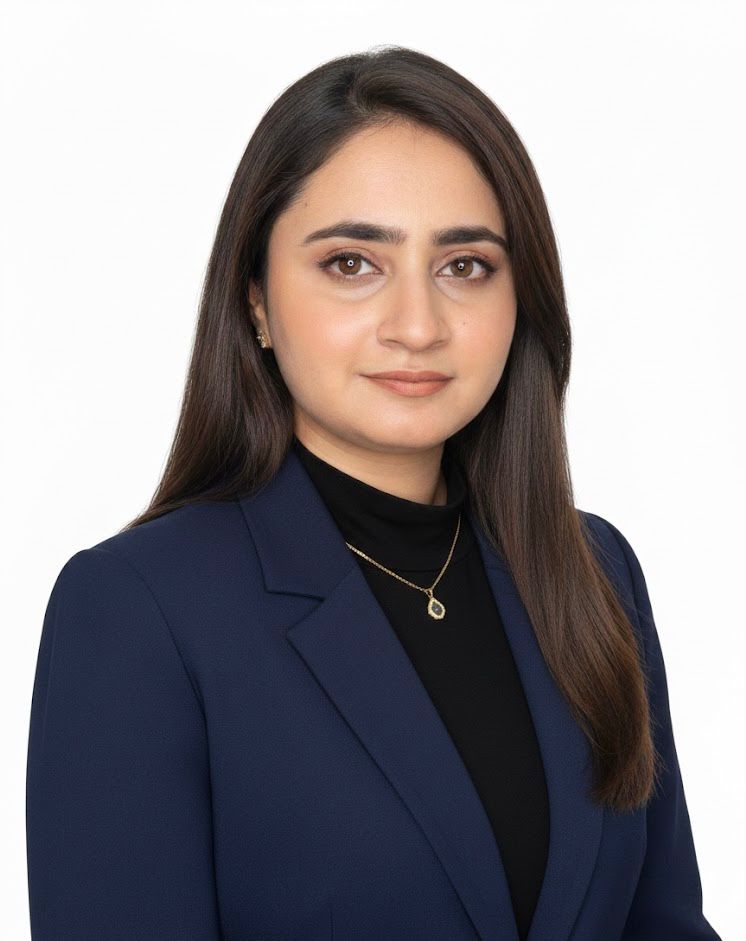
Dr. Neelam Tahir is a dedicated medical professional (MBBS) with a passion for helping seniors navigate the complex world of Medicare. With years of clinical experience, she specializes in simplifying healthcare benefits, from Part B givebacks to healthy food allowances. Her mission is to ensure that every senior has access to the expert guidance they need to live a healthy and financially secure life